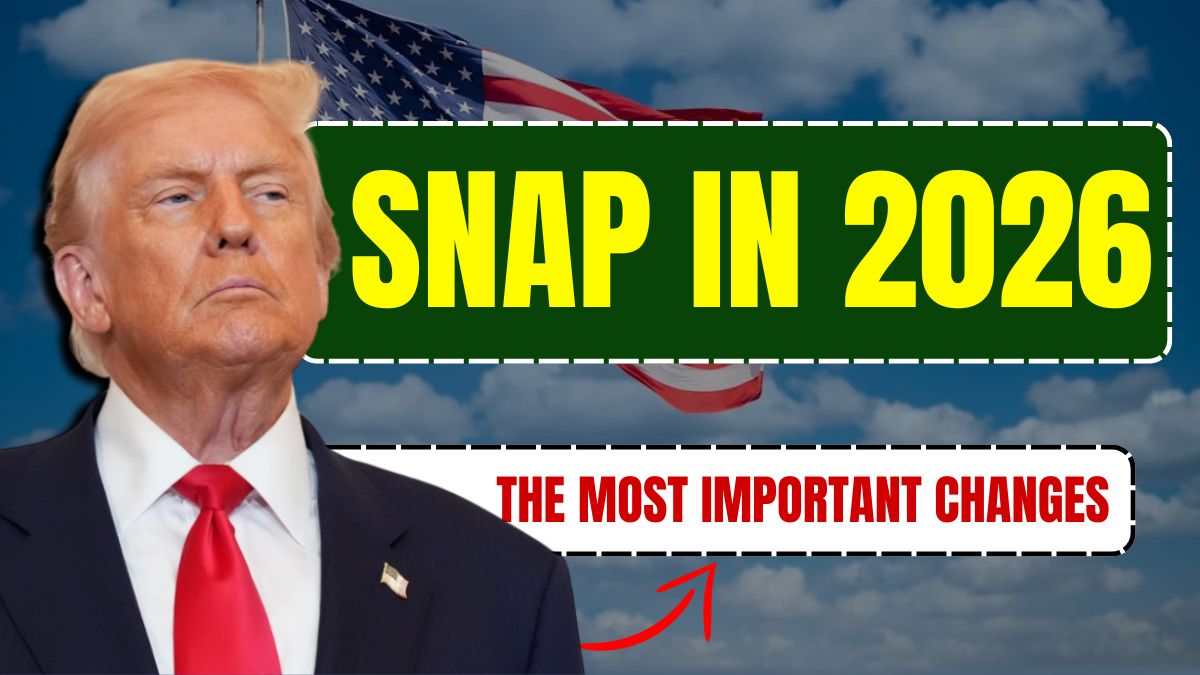
The Supplemental Nutrition Assistance Program, commonly known as SNAP, has long served as a lifeline for millions of low-income households across the United States. As economic uncertainty, inflation, and shifting labor patterns continue to affect everyday life, SNAP remains one of the most critical social support programs in the country. Heading into 2026, SNAP is expected to undergo several important changes that could reshape how benefits are calculated, who qualifies for assistance, and how recipients interact with the program.
These changes are not happening in isolation. They reflect broader policy discussions around poverty, food security, workforce participation, and the rising cost of living. For beneficiaries, advocates, and policymakers alike, understanding what may change in SNAP during 2026 is essential. This article explores the most important SNAP changes expected in 2026, why they matter, and how they could affect millions of American families.
The Economic Context Behind SNAP Changes in 2026
The SNAP program does not operate in a vacuum. Its rules and funding are deeply influenced by economic conditions, federal budgets, and social priorities. By 2026, the United States is expected to continue grappling with lingering inflation effects, housing affordability challenges, and uneven wage growth. These factors directly impact food insecurity levels, which often rise during periods of economic strain.
Lawmakers are increasingly under pressure to balance fiscal responsibility with social protection. This tension is likely to drive adjustments in SNAP policy, including eligibility rules, benefit formulas, and administrative requirements. Some changes may aim to tighten oversight, while others may focus on improving access and fairness for vulnerable populations. Understanding this broader economic backdrop helps explain why SNAP reforms are being discussed so seriously for 2026.
Changes to SNAP Benefit Calculations in 2026
One of the most closely watched aspects of SNAP reform is how benefits are calculated. SNAP benefit amounts are based on household size, income, and the cost of a basic food plan. Over recent years, there has been growing debate about whether current benefit levels truly reflect real-world food costs, especially as grocery prices have risen faster than wages in many regions.
In 2026, adjustments to benefit calculations may focus on updating food cost models to better match modern spending patterns. There is increasing recognition that the traditional assumptions behind SNAP calculations may not fully account for dietary needs, regional price differences, or the higher cost of healthier food options. Any recalibration in this area could lead to changes in monthly benefit amounts, either increasing support for some households or altering eligibility thresholds for others.
SNAP Eligibility Rules and Income Limits in 2026
Eligibility rules are another area where SNAP changes in 2026 could have a significant impact. SNAP eligibility is primarily determined by income, household composition, and certain expenses. Over time, critics have argued that strict income limits can exclude families who are technically above the threshold but still struggle to afford basic necessities.
In 2026, policymakers may revisit income calculations to better reflect modern household expenses such as childcare, medical costs, and housing. There is also ongoing discussion about simplifying eligibility rules to reduce administrative barriers and ensure that eligible individuals are not discouraged from applying. At the same time, some proposals may seek to tighten verification processes to prevent misuse and ensure program integrity.
Work Requirements and Employment Policies in SNAP 2026
Work requirements have long been one of the most controversial aspects of SNAP policy. These rules generally require certain able-bodied adults without dependents to meet work or training requirements in order to receive benefits. In recent years, these requirements have been temporarily waived or modified during economic downturns and public health emergencies.
Looking ahead to 2026, work requirements are expected to remain a central topic in SNAP reform debates. Some policymakers advocate for stricter enforcement, arguing that work requirements encourage self-sufficiency. Others caution that such rules can disproportionately affect individuals facing barriers to employment, such as limited education, health issues, or unstable job markets. Any changes in this area could significantly affect who remains eligible for SNAP and under what conditions.
Technological and Administrative Updates to SNAP
As government programs modernize, technology is playing a growing role in how SNAP is administered. By 2026, SNAP is expected to see further digital transformation aimed at improving efficiency and accessibility. This may include expanded online application systems, improved mobile access to benefit information, and more seamless data sharing between agencies.
While technological updates can make the program more user-friendly, they also raise concerns about data privacy and access for individuals with limited digital literacy. Policymakers will need to balance innovation with inclusivity, ensuring that modernization efforts do not unintentionally exclude vulnerable populations who rely heavily on SNAP support.
SNAP Fraud Prevention and Program Integrity Measures
Ensuring that SNAP benefits reach those who truly need them remains a priority for policymakers. In 2026, there may be an increased focus on fraud prevention and program integrity measures. These efforts often involve enhanced monitoring, improved verification processes, and closer coordination between federal and state agencies.
While preventing misuse is important for maintaining public trust in SNAP, overly aggressive enforcement can create fear and confusion among legitimate recipients. Any new integrity measures introduced in 2026 will need to strike a careful balance between accountability and compassion, ensuring that eligible families are not unfairly penalized or discouraged from accessing assistance.
The Impact of SNAP Changes on Families and Communities
Changes to SNAP in 2026 will not only affect individual households but also entire communities. SNAP benefits play a significant role in local economies, particularly in low-income and rural areas. Grocery stores, farmers, and food retailers often rely on SNAP spending as a stable source of revenue.
When SNAP benefits are adjusted, the ripple effects can be felt throughout the food system. Increases in benefits can stimulate local economies and improve nutrition outcomes, while reductions or stricter eligibility rules can increase food insecurity and strain charitable food networks. Understanding these broader impacts is essential when evaluating the significance of SNAP reforms.
Nutrition, Health, and SNAP Policy in 2026
Another important dimension of SNAP changes in 2026 relates to nutrition and public health. There is growing interest in aligning SNAP policy more closely with health outcomes, particularly in addressing diet-related illnesses such as diabetes and heart disease. Some policymakers support initiatives that encourage healthier food choices within SNAP, while others warn against limiting consumer freedom.
Discussions around nutrition-focused reforms may continue into 2026, potentially influencing how SNAP benefits can be used or how nutrition education is integrated into the program. Any changes in this area will need to carefully consider cultural preferences, access to healthy foods, and the practical realities faced by low-income households.
Political Debates Shaping SNAP in 2026
SNAP has always been shaped by political debate, and 2026 will be no exception. As federal budgets are negotiated and social priorities are debated, SNAP often becomes a focal point for broader discussions about government spending and social responsibility. Different political perspectives influence whether SNAP is viewed primarily as a safety net or as a program that should emphasize rapid transition to employment.
These debates will play a crucial role in determining the final shape of SNAP changes in 2026. Advocacy groups, researchers, and beneficiaries themselves are likely to continue pushing for policies that protect access to food assistance while addressing legitimate concerns about efficiency and sustainability.
What SNAP Recipients Should Prepare for in 2026
For current and potential SNAP recipients, staying informed is key. Changes in eligibility rules, benefit amounts, or reporting requirements can directly affect monthly assistance. As 2026 approaches, beneficiaries may need to pay closer attention to official communications from state SNAP agencies and be prepared for adjustments in application or recertification processes.
Proactive preparation, including understanding income reporting rules and maintaining required documentation, can help reduce disruptions in benefits. While change can be unsettling, being informed empowers recipients to navigate the system more confidently.
Conclusion: Why the 2026 SNAP Changes Matter
The most important changes coming to SNAP in 2026 reflect deeper questions about how society addresses hunger, poverty, and economic inequality. Whether through updated benefit calculations, revised eligibility rules, or modernized administration, these changes have the potential to reshape the program for years to come.
For millions of Americans, SNAP is more than a government program; it is a critical source of stability in uncertain times. As policymakers weigh reforms and adjustments, the human impact of these decisions must remain at the forefront. Understanding the expected SNAP changes in 2026 is not just about policy awareness, but about recognizing the vital role food assistance plays in building healthier, more resilient communities.
FAQs
Q1. What is SNAP and why is it important?
A. SNAP is a federal program that helps low-income households afford nutritious food each month.
Q2. Why is SNAP changing in 2026?
A. SNAP changes are being considered due to rising food costs, inflation, and evolving economic conditions.
Q3. Will SNAP benefits increase in 2026?
A. Benefit changes may occur depending on updated cost-of-living and food price calculations.