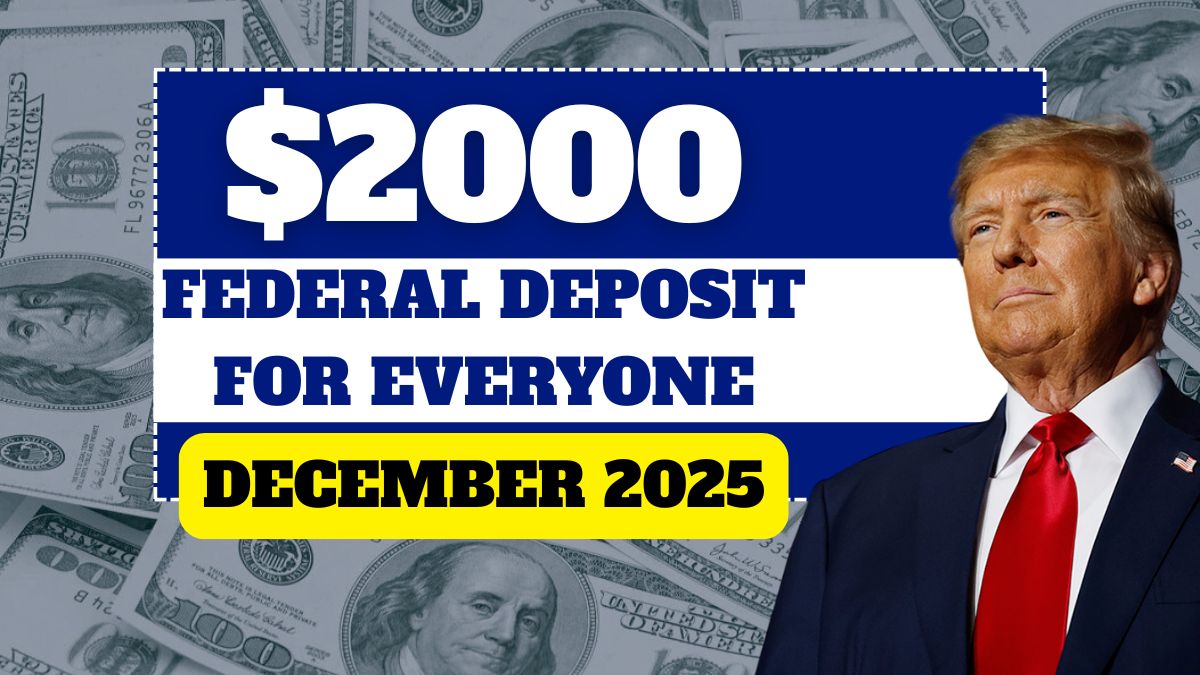
As the final month of 2025 approaches, millions of American citizens are anticipating potential financial assistance from the government. Given rising inflation, the increasing cost of everyday necessities, and the financial instability faced by many families, the $2,000 federal deposit program is being viewed as a crucial relief measure. This program is specifically designed for citizens who are already enrolled in government benefit programs such as Social Security, SSI, SSDI, SNAP, Medicaid, or unemployment assistance and who have limited incomes.
The government’s objective is clear—to provide direct financial support to citizens at the end of the year so they can meet their needs, avoid falling into debt, and start the new year with a degree of financial stability.
Purpose and Significance of the $2,000 Federal Deposit
This $2,000 amount is not being provided as a loan and does not need to be repaid. It is neither a tax refund, a stimulus check, nor an advance payment for next year. It is designed as a one-time relief payment to help manage unexpected extra expenses that often arise at the end of the year.
December is often a month of increased expenses—energy bills rise due to the cold weather, holiday gifts and other expenses increase, children’s school needs arise, and many families face health-related costs. The government aims to alleviate this financial pressure through this payment.

How the Payment Can Be Used
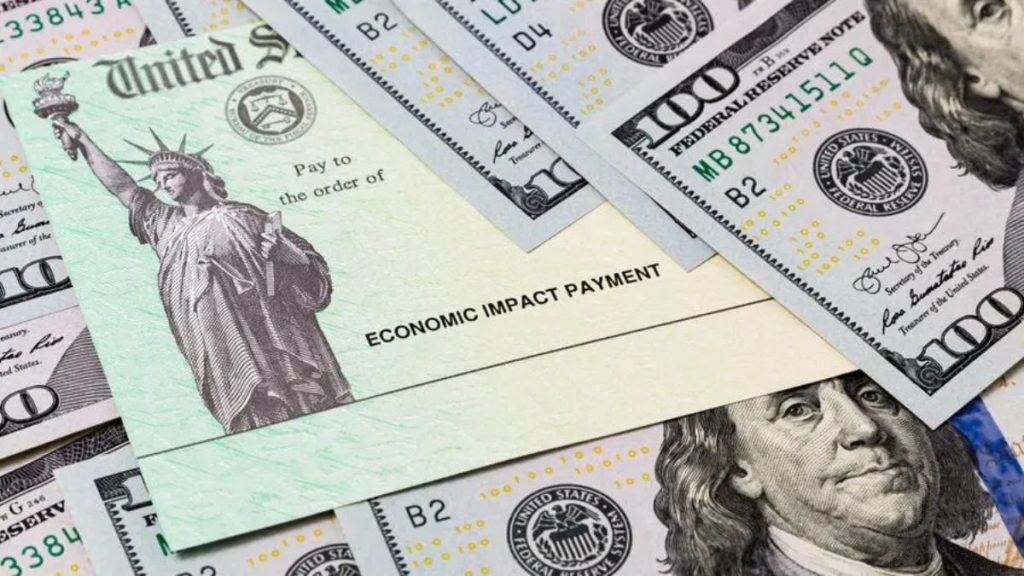
The government has clarified that this amount is not restricted to any specific purpose. Beneficiaries can use it according to their primary needs. This includes everyday food and groceries such as milk, vegetables, grains, and other essential items. It can also be used for rent, minor home repairs, utility bills (electricity, gas, and water), medications and doctor’s fees, health insurance premiums, and children’s educational expenses.
In emergency situations such as car repairs, heating system repairs, or essential travel expenses, this amount can prove invaluable for families.
How Payments Will Be Received: Direct Deposit and Alternatives
The biggest advantage of this program is its simple and secure payment method. Those whose bank accounts are already linked to government records will receive the funds directly into their accounts via direct deposit. This will ensure faster payments and reduce the likelihood of fraud or delays.
For those who do not have a bank account or whose direct deposit information is not available, paper checks or other alternative payment options will be provided. The government is committed to ensuring that no eligible individual is denied this assistance due to technical reasons.
Eligibility Details for the $2000 Payment
Eligibility is primarily based on two factors—your income and your registration in government records.
Income Limits:
- Single Filers: Up to $75,000 per year
- Head of Household: Up to $112,500
- Married Couples (Joint Filing): Up to $150,000
Additionally, applicants must be permanent residents of the United States and possess a valid SSN or ITIN. If you are already registered for Social Security, SSI, SSDI, SNAP, Medicaid, or unemployment benefits, your eligibility will be considered strong.
Special Groups and Additional Benefits:
This program also covers senior citizens, individuals with disabilities, farmers, members of tribal communities, and self-employed or gig workers, provided their income is properly reported. Families with children or other dependents may also be eligible for additional assistance, although the final amount will depend on government guidelines.
Not Eligible:
- High-income individuals
- Immigrants without a valid SSN or ITIN
- Those whose income or tax information is found to be inaccurate
Automated Process: Direct Payment Without Application
The most significant feature of this $2,000 deposit plan is its automated system. The IRS and Treasury Department will process payments using existing data. This means that most beneficiaries will not need to fill out a new application.
This process speeds up payments, reduces the likelihood of human error, prevents fraud, and lowers administrative costs. In previous stimulus payments, approximately 80 percent of beneficiaries received the funds within a few weeks, proving the success of this model.
Phased Payment Schedule in December 2025
The government has divided the payments into phases to ensure orderly distribution:
| Phase | Group | Estimated Date | Description |
|---|---|---|---|
| First | SSDI and SSI Beneficiaries | December 10–15 | Previously registered senior and permanent beneficiaries |
| Second | Families and Middle-Income Group | December 16–20 | Families with children and low-income households |
| Third | Other Eligible Groups | December 21–31 | All remaining eligible beneficiaries |
Some individuals may experience slight delays due to bank processing and holidays, but the government aims for all eligible individuals to receive their payments before the end of December.

Broad Benefits of this $2000 Payment
- Immediate Financial Relief: People will not have to resort to high-interest loans or credit cards.
- Social Security: Senior citizens and disabled individuals can more easily manage their daily needs.
- Contribution to the Local Economy: The money spent in the market will benefit local shops, small businesses, and the rural economy.
- Flexibility: Beneficiaries can use the amount according to their primary needs.
- Fraud Protection: Payments through direct deposit significantly reduce the possibility of fake checks or other fraudulent activities.
How to Check Payment Status and Avoid Fraud
- IRS Portal: Use the “Where’s My Refund?” tool.
- SSA Online Portal: For SSDI or SSI beneficiaries.
- Bank Statement: Look for the label “TREASURY 2025.”
The government has clearly warned that no official agency will request personal information via email or text. Stay away from suspicious calls, messages, or links and only use official .gov websites.
Conclusion
This $2,000 federal deposit in December 2025 is not just financial assistance but also a sigh of relief for millions of Americans struggling with rising expenses. If your personal and banking information is up to date, this amount will be credited to your account on time and securely. This payment will help alleviate financial pressure at the end of the year and allow you to start the new year with a little more stability.
FAQs
Q. Who is eligible for the $2,000 federal deposit?
A. Beneficiaries of programs like SSDI, SSI, SNAP, Medicaid, and low-income families within the income limits are eligible.
Q. When will the payments be made?
A. Payments will be distributed in phases from December 10–31, 2025.
Q. How will the money be received?
A. Most payments will be via direct deposit; others may receive paper checks or alternative payment methods.
Q. Do I need to apply to receive the payment?
A. No, the payments are automated for those already registered in government programs.
Q. How can I check if I received the payment?
A. You can check via the IRS “Where’s My Refund?” tool, SSA portal, or your bank statement labeled “TREASURY 2025.”